



40th anniversary exhibition on director Lee Man-hui (1931-1975)
A Time of Cinema
“A Time of Cinema” is a 40th anniversary special exhibition that provides space to learn and ruminate on director Lee Man-hui’s perspective on movies. The exhibition is composed of three parts: Lee’s perspective on movies, people related to the movies, and stories related to the movies, and is subdivided into nine sections such as “Full Autumn, Must-see Movie,” “War and People,” “Censorship,” and “Discovery.”
In particular, the sections that visualize Lee’s perspective on movies are “Geological Space,” “Imaginary Space,” “War and People,” and “Different Side of a City,” and in these sections, it gives an opportunity to understand Lee’s views on war, society, and people, and also in “Full Autumn, Must-see Movie,” 200 pictures from <full autumn=""> are displayed to fill in the voids of the film. This exhibition is an opportunity to comprehensively understand the movie genius Lee Man-hui who left a visible trace in Korean film history.</full>
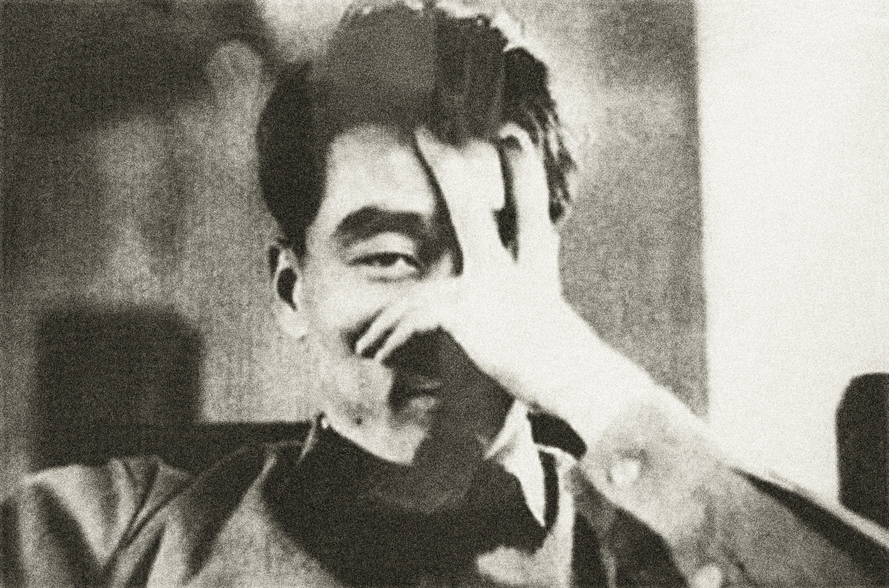
“You are on the same side with the soldiers crawling through bombardments, you are on the same side with couples who remained humane even knowing frustration, and you are on the same side with the youth who hated violence, and thus had to be strong.” (Epitaph of director Lee Man-hui) Director Lee Man-hui was born in Wangsimni, Seoul in 1931 and passed away in 1975 while working on a movie. During his life he was a maestro in Korean movie history who influenced domestic movies the most.
He directed 51 movies over 14 years. from <kaleidoscope> to
Lee Man-hui directed various genres of movies such as war, action, thrillers, melodramas, historical dramas and literary pictures. All of his films are connected in one big flow, even though each one maintains its own characteristics. This exhibition deals with the many sides of Lee through his movies.
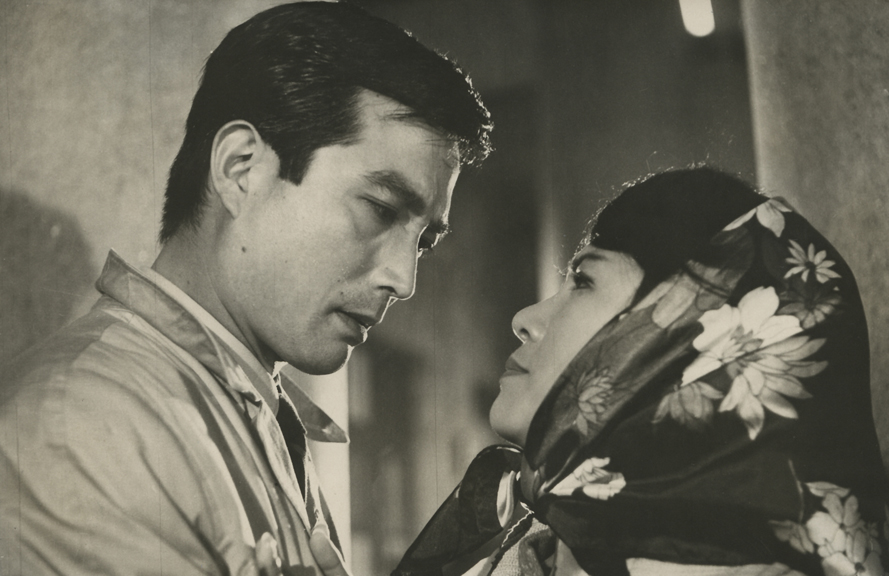
“Autumn came, A girl came, the girl came before the man.”</blockquote>《Full Autumn》 is a masterpiece that represents Lee Man-hui’s main work. It tells the story of a man and woman who happened to spend 3 days together with restrained speech and genuine acting. It won four film prizes and director prizes, but the film is unfortunately no longer available. <full autumn=""> was remade by three other Korean directors. The movie is instead represented by pictures.</full>
No other director depicted Seoul better than Lee Man-hui. Cities in his movies were not just living spaces or abstract spaces displayed on a map, but rather were imaginary spaces that could capture a character’s background. The cities in his movies have many faces, just like actors. These faces were expressed in the footsteps of people, tiled buildings, branches swaying in the wind, wallpaper and furniture, window frames, and the sounds of subway and train engines. You can also find the old Seoul that is now gone. Also, in the exhibition there is a replica of the inside of an apartment in a movie that can provide a meaningful experience to visitors.
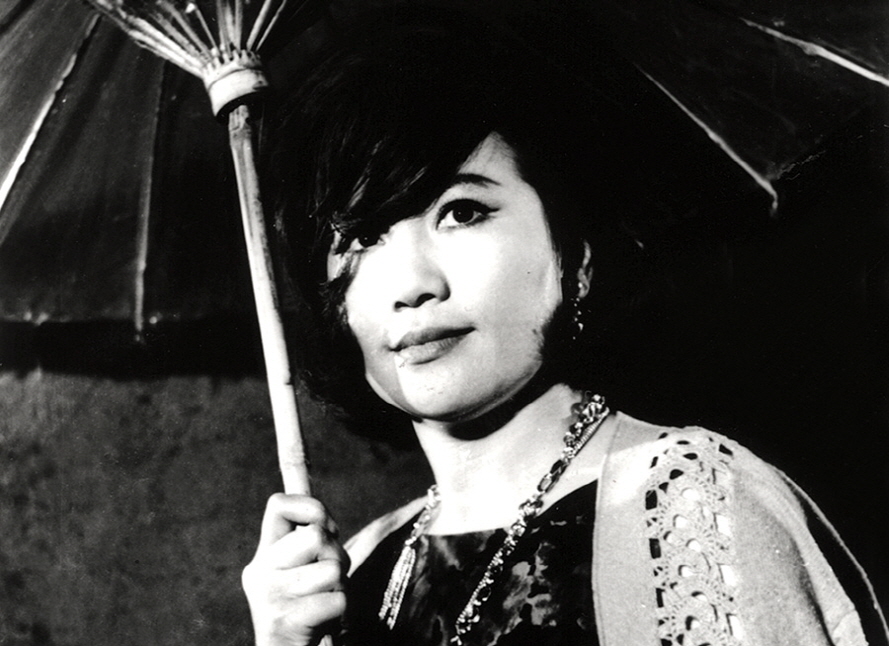
With the great success of his third movie 《Call 112》 (1962), Lee Man-hui took a special interest in the mystery/thriller (or gangster) genre. The dark side of people, violence against violence, sin and punishment are expressed in construction sites or abandoned buildings, asphalt in a dazzling city in the rain, shabby back alleys behind fancy buildings, the enclosed space of a late-night train, and dark surgery rooms. We can interpret his works as a dark space with a film noir atmosphere.
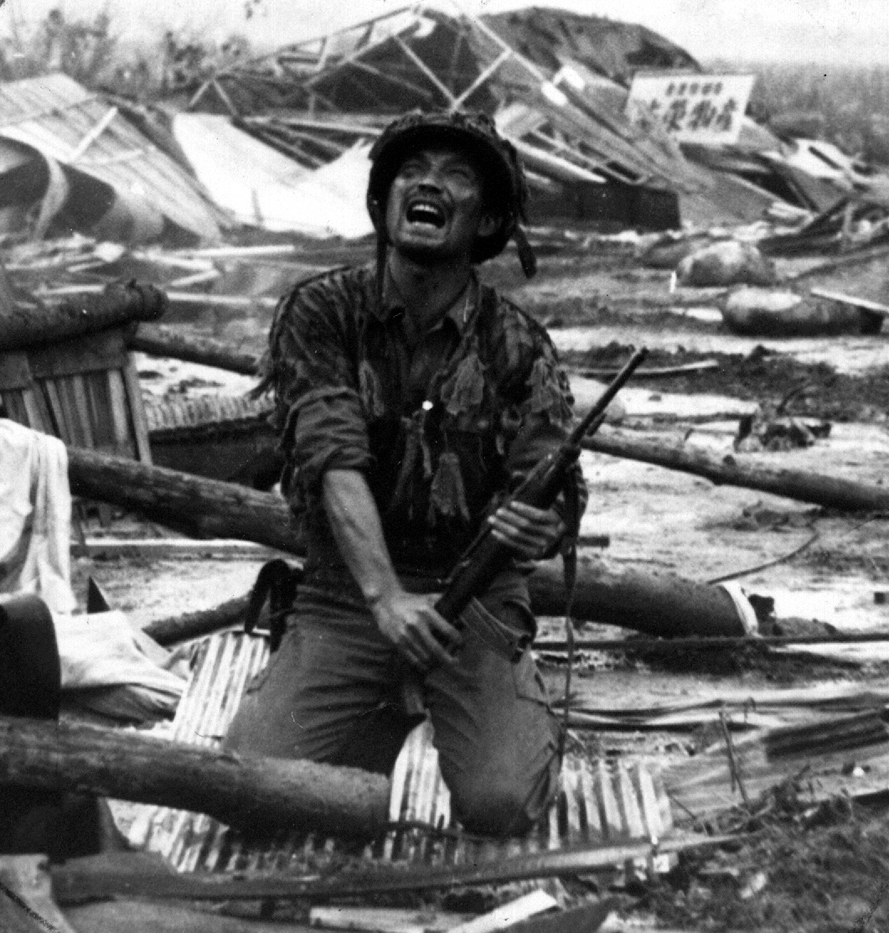
Lee Man-hui is the director who dealt with the Korean War the most in the Korean film history. Unlike propaganda movies during that time, the subject of his movies was the nature of war. For Lee, war was group violence where people’s humanity was tested. In the middle of all that, he questioned if war was really necessary.
Lee Man-hui was a director who fought with the government about censorship. His movies, which have anti-war sentiments, a negative view of Korean society, and artistic characteristics, were disturbing and dangerous to the government at that time. In this exhibition, you can find evidence of censorship in documents.
Lee Man-hui directed 51 movies over 15 years after his debut in 1961. This means he produced about three or four movies every year; he produced 10 movies in 1967 alone. He was unbelievably prolific. The reason why he could be so prolific was because of his staff members. Lee valued all of his staff, such as the director of photography, screen writer, audio director, co-director, and other staff members and actors. Even though the staff changed over time, members worked together with Lee throughout his film career. You can learn about staff members and actors from Lee Man-hui’s early works to late works.
Since 2000, the discovery of Lee Man-hui’s films by the Korean Film Archive has been slow but steady. While supporting a retrospective exhibition in the Pusan International Film Festival in 2005, the Archive discovered 《A day off》 (1968), and during preparations by the Archive for a full-scale exhibition, it discovered 《The Goboi Bridge》 (1970) and collected it from the Defense Media Agency. In 2009, it discovered 《Heilong River》 (1965), and then 《Unforgettable Woman》 (1966) in March 2015 from individuals. The Korean Film Archive will continue to strive to retrieve his works.

kofa@koreafilm.or.kr
© Korean Film Archive. All Rights Reserved