How were the 100 Korean movies selected?
It shows how the 100 movies and examiners were chosen and also shows the distribution status by time, directors and actors.
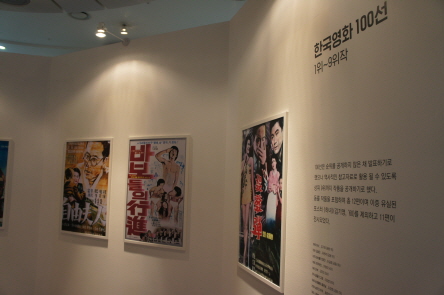
Poster exhibition of top 9 selected movies
It was originally decided not to reveal the rankings, but for historical reference we decided to reveal the top 9. There were 12 selections including the same pieces, but except for the lost poster for 《The Housemaid》 (Kim Ki-Young, 1960), there are 11 posters on display.
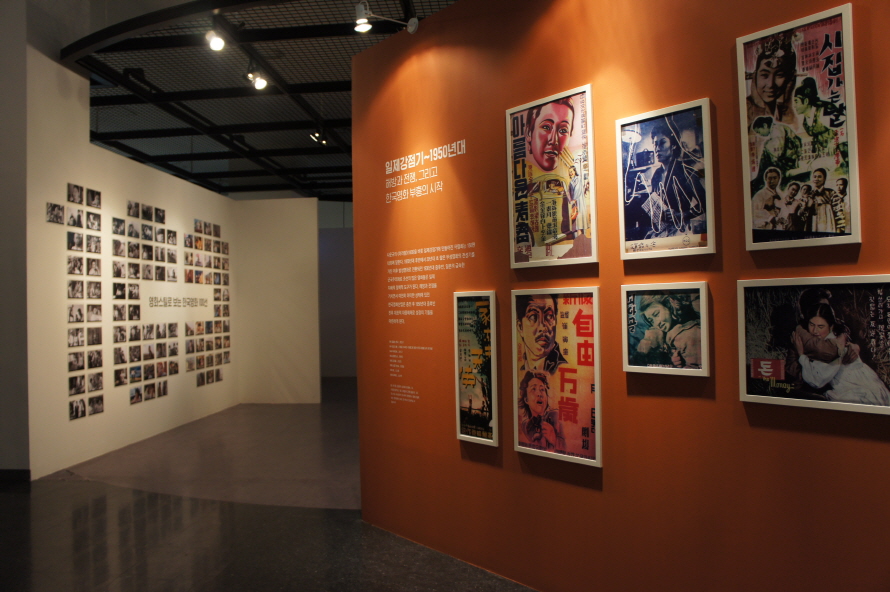
From the Colonial period to the 1950s - Independence and war, and a revival of Korean movies
There were about 150 film dramas made by Na Un-gyu, including 《Arirang》 (1926) during the colonial period. After the short heyday of silent movies, many Korean films were used as a tool to disseminate propaganda after Japan’s rapid militarization in the mid to late 1930s when a lot of movies were converted into sound pictures. Through liberation and a war, the still-stagnant Korean film industry made a foundation for growth as a main media during the mid-1950s after the war.
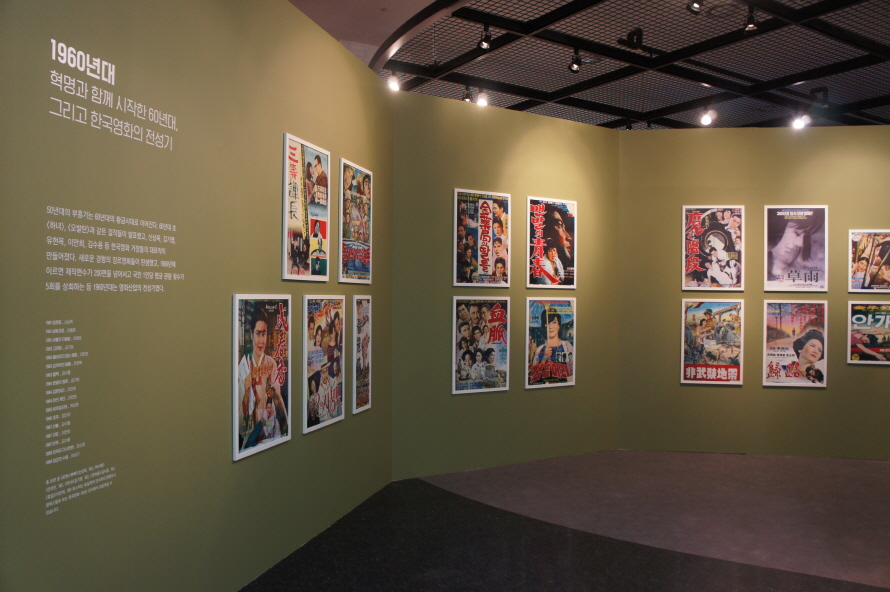
1960s - The prime of Korean movies that started with revolution.
A revival during the 1950s continued until the heyday during the 60s. Masterpieces such as 《The Housemaid》 and 《The Aimless Bullet》 were released along with the arrival of maestros such as Sin Sang-ok, Kim Ki-yeong, Yu Hyeon-mok, Lee Man-hui, and Kim Su-yong. New film genres were born, and by 1969, the Korean movie industry experienced a golden age as a film production exceeded 200 movies a year and the average movie viewer went to the theater more than five times.
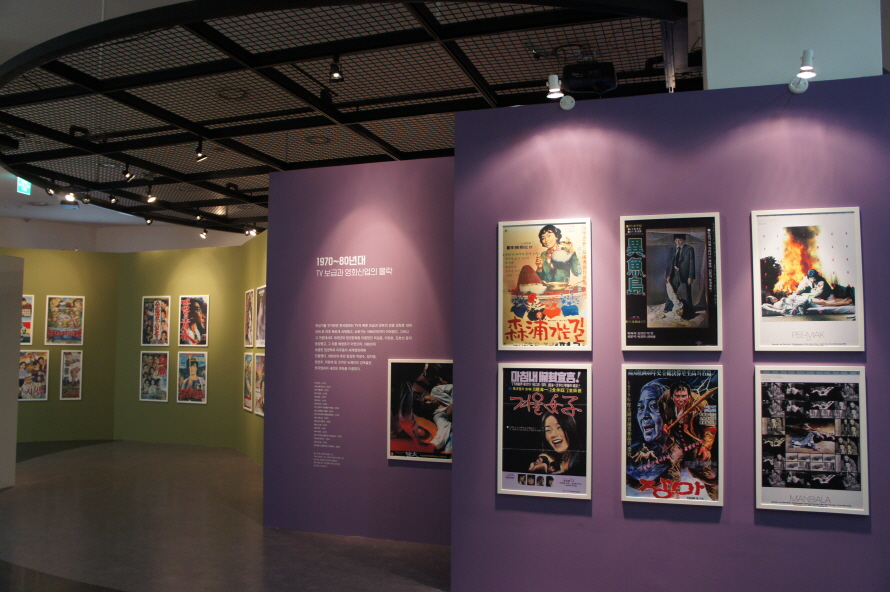
1970~80s - The fall of the movie industry with the expansion of television
The Korean movie industry experienced rapid decline with the expansion of television and increased censorship during the 1970s, and it continued to the 1980s. However, even with the decline, there were directors who stayed active such as Ha Gil-jong, Lee Jang-ho, and Kim Ho-sun, who led the youth culture, followed by Bae Chang-ho, Im Kwon Taek and Lee Du-yong, who debuted in world film festivals during the early 1980s. Korean new wave directors changed the local film industry, namely, Park Kwang-su, Jeong Ji-yeong, Jang Seon-u and Lee Myeong-se, who appeared in the late 1980s.
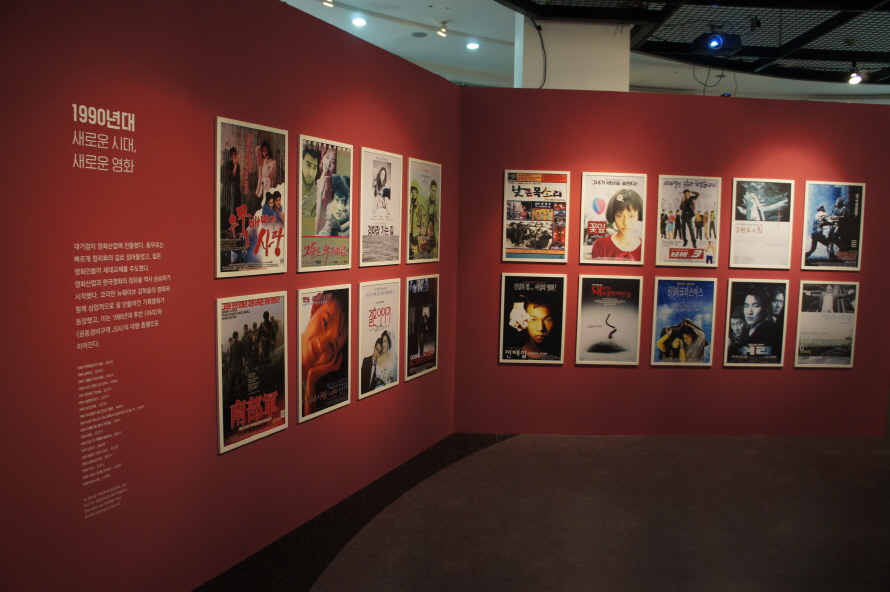
1990s - New era of new movies
Big corporations started to make movies. There were new films with Korean new wave directors, and Chungmuro was quick to follow this new phenomenon as the young directors led a shift in generations. This continued in the late 1990s with the box office records of 《Shiri》 and 《Joint Security Area》.
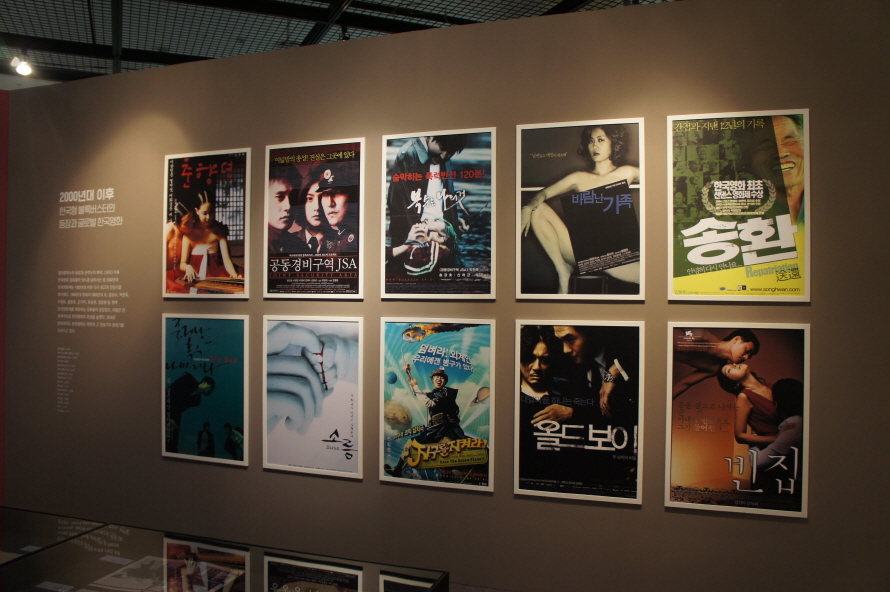
After 2000s - Advent of domestic blockbusters and globalized Korean movies
With the advent of the multiplex and expansion of the audience, the Korean movie industry once again found success like in the 1960s as the domestic film share exceeded 50% after 《Shiri》. During the late 1990s to the early 2000s, many now-renowned directors appeared, namely, Hong Sang-su, Park Chan-uk, Lee Chang-dong, Bong Jun-ho, Kim Ki-deok, Ryoo Seung-wan, and Jang Jun-hwan, who also raised the status of Korean movies worldwide, and domestic movies are still enjoying their heyday
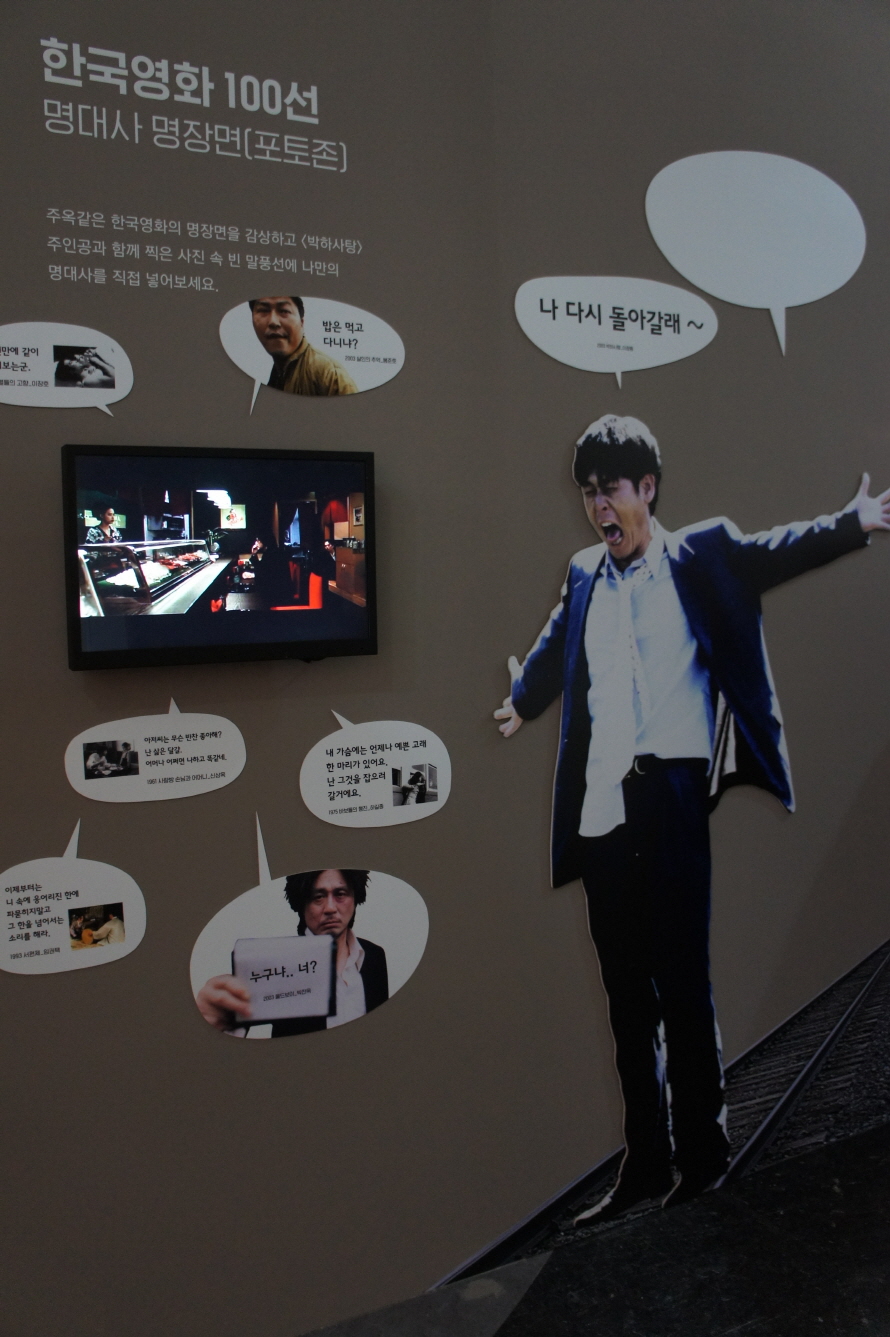
Best lines and scenes from the 100 Korean movies
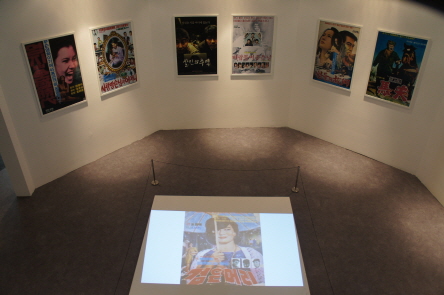
Enjoy the best scenes from Korean movies and fill in your own lines in empty speech bubbles of the main character in 《A Peppermint Candy》.