



2016 Exhibition III
Yoo Hyeon-mok: Between reality and movies
Korea has enjoyed the status of being among the world’s top 5 movie nations, but the domestic movie history and old Korean movies are still unknown to many, except for small number of movie fans and researchers. However, Korean movies have 100 years of history, with many filmmakers and directors.
This exhibition will honor the seventh anniversary of the director greatest in Korean movie history, Yoo Hyeon-mok, and look back on the meaning of domestic movie history and his perspective on life and movies.
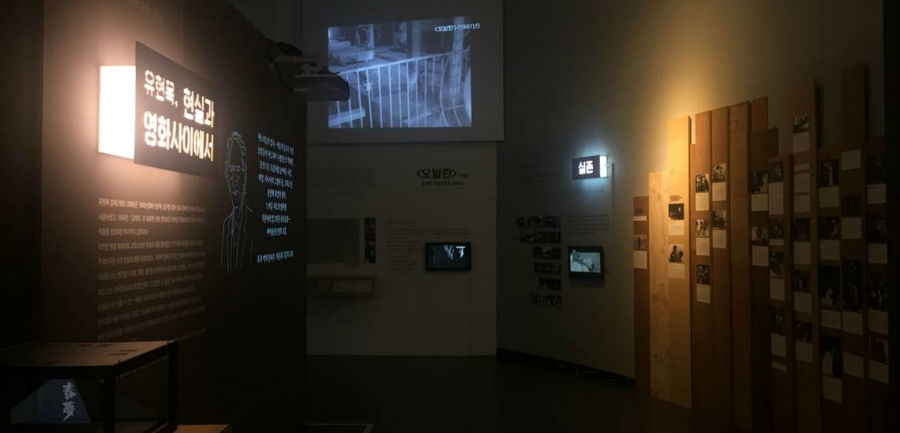
Why Yoo Hyeon-mok?
Yoo Hyeon-mok is, without a doubt, the biggest maestro who led Korean movies to their golden age. Born in Hwanghae Province on July 2, 1925, Yoo Hyeon-mok made his debut with < The Crossroad > in 1956, and directed his last movie, < Mom, the Star, and the Sea Anemone >, in 1994 and produced about 43 film dramas and directed three experimental and documentary films. He died on June 28, 2009. He is best known for directing the film < Aimless Bullet >, based on a novel by Lee Beom-sun in 1961, which is considered the best movie in domestic movie history. It is about a poor chartered accountant and veteran brothers trying to survive in the 1950s, when crime rates surged. With this movie, he criticized and also depicted the depressed and hopeless Korean society of the time. In 2014, the Korean Film Archive listed three movies by Yoo in the Korean top 100 movie selection: < The Daughters of Kim’s Pharmacy > (1963), < Rainy Days > (1979) and < Aimless Bullet >. Yoo is beyond an outstanding artist in Korean movie history. He is both a leader of domestic movies and a cinema movement. He formed an experimental movie group in 1964 called Cineform, worked as a professor at Donguk University’s Department of Theater, and led a cinema technology movement with the East and West Movie Group in 1978.
A writer of existence and salvation
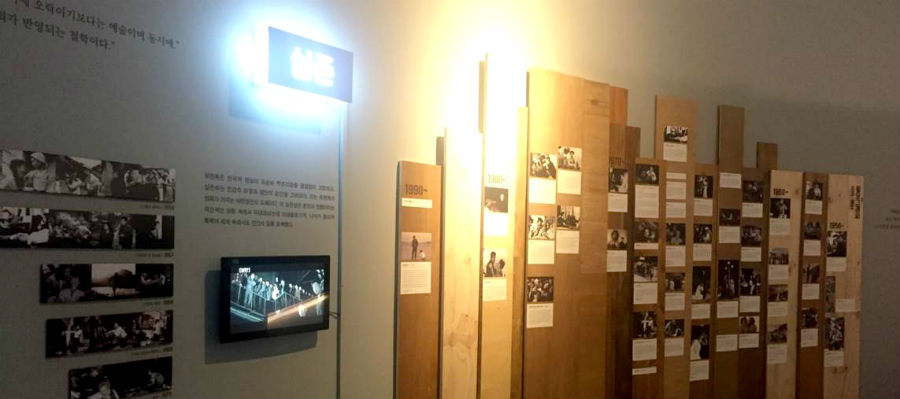
This exhibition categorized director Yoo Hyeon-mok’s perspectives on movies into three keywords, namely, existence, salvation, and experiment. As a displaced person who defected to South Korea and also a Protestant, Yoo had sharp criticisms of irrational Korean society and showed the frustration of individuals who had to live through that era in almost all of his films. At the base of his criticisms was an awareness of the division of Korea. Excluding movies that dealt directly with the division of Korea, many people have pointed out that Yoo tried to convey hardships from the division in his other movies with the portrayal of individuals living through stressful days.
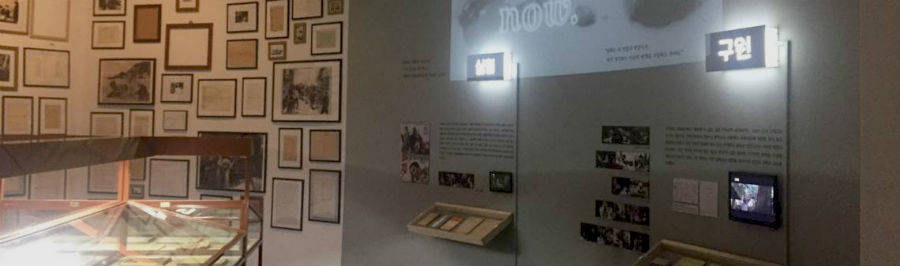
Also, there is an appeal to god in his movies. This appeal is far beyond the common notion of faith for blessings for Protestantism. His films portray weak individuals frustrated at the silence of god even in the face of requests for salvation. And it goes back on the issue of existence of human beings. The last keyword is “experiment.” He is widely known as a Korean realism director, but when analyzing his films, expressions and experimentalism stand out more than realism. This is a result of his way of thinking in treating film as art instead of typical commercial films or typical realism.
Looking at Yoo Hyeon-mok as a director and a human through extensive amounts of materials
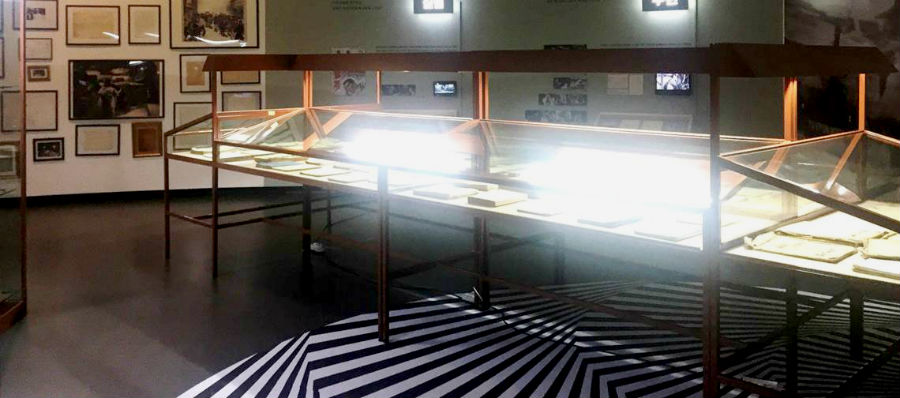
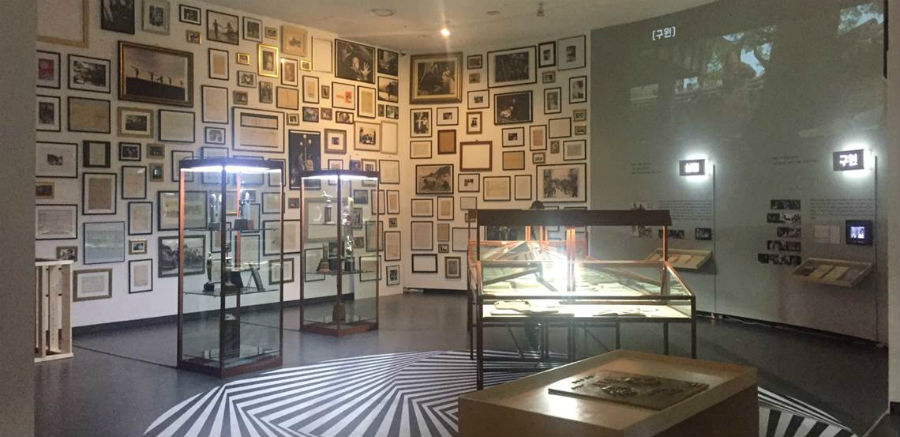
This exhibition stands out in that visitors can see vast amounts of real belongings of Yoo Hyeon-mok. This was possible because Yoo’s wife Park Geun-ja donated a large number of documents and materials that belonged to Yoo to the Korean Film Archive. Park donated 60 pieces which include trophies, personal 8mm recordings from couple trips, scenarios and continuities with Yoo’s notes on them, books, and his desk. The materials selected, along with pictures and posters, and the main scenes from movies that were kept in the Korean Film Archive will be displayed.
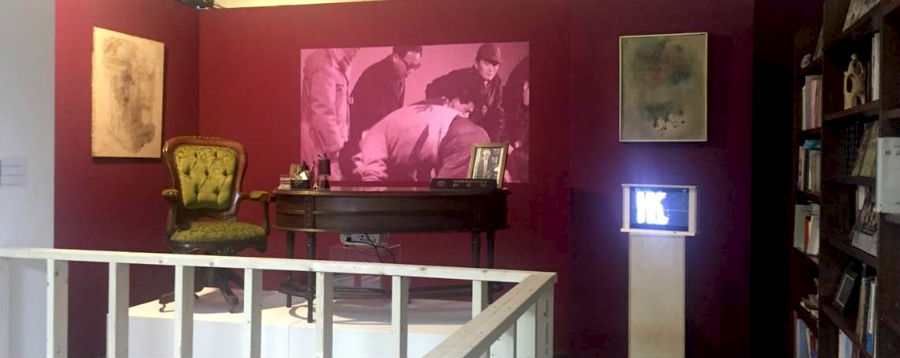
In particular, one corner of the exhibition that stands out is “Yoo Hyeon-mok’s private space,” in which there is director Yoos personal desk and a chair, bookshelf and books, and drawings by his wife Park Geon-ja. Visitors can experience the personal space of a maestro of Korean movie history.
This exhibition will provide a valuable time for visitors to look back on Korean history, and also director Yoo as an individual and his perspectives on movies.

kofa@koreafilm.or.kr
© Korean Film Archive. All Rights Reserved